
The record is the deliverable
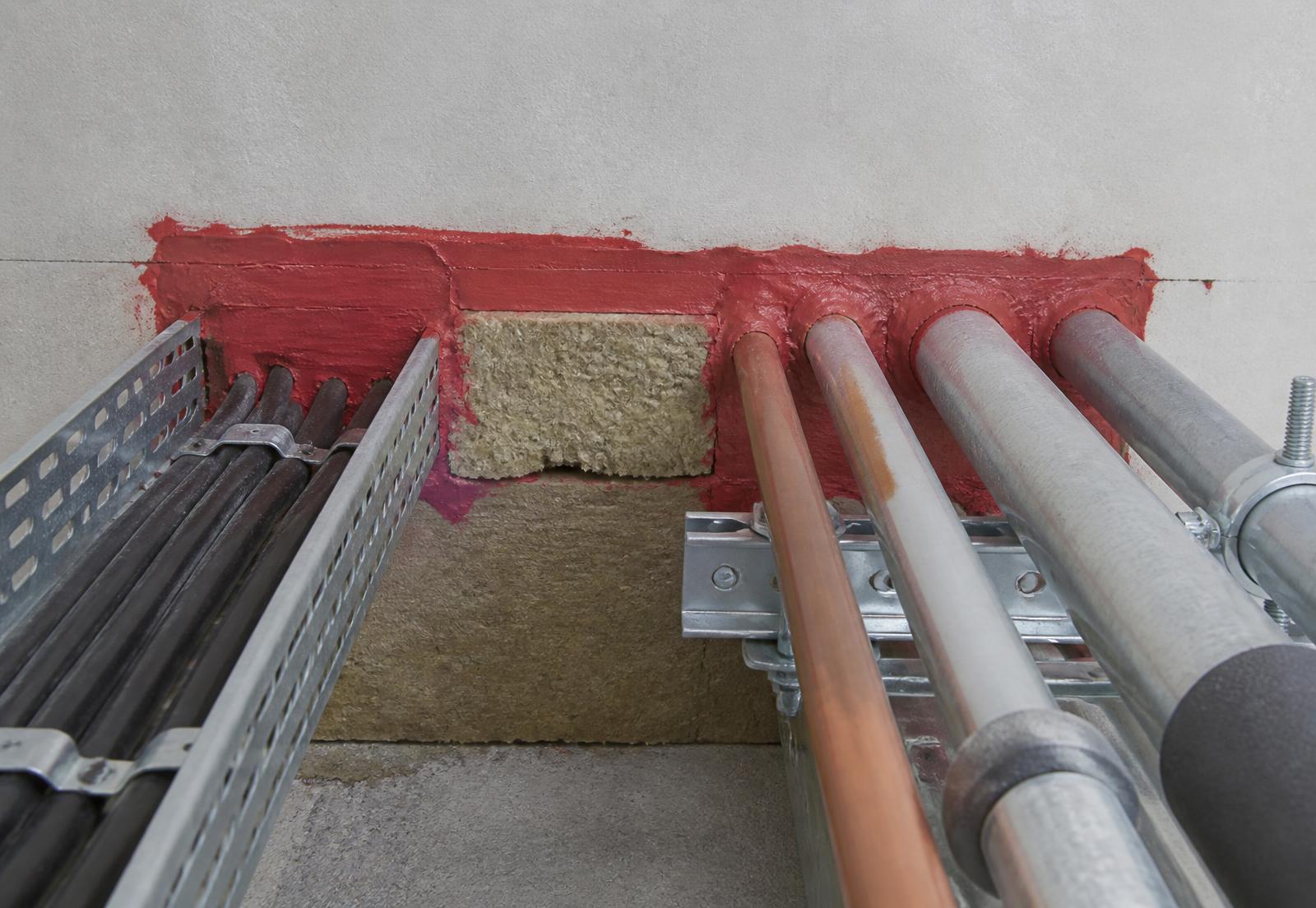
Passive fire protection is unusual among construction packages in that its performance cannot be inspected after completion without destroying the work. A penetration seal behind a ceiling is either correct or it is not, and nothing visible at handover will tell you which.
This is why the evidence register has become as important as the installation itself. Building safety legislation has formalised an expectation that was always implicit: that a building owner can demonstrate what was installed, where, to which tested detail, and by whom.
Specify the system, not the outcome
A specification that requires 'fire stopping to maintain 60 minutes integrity' transfers a technical judgement to whoever holds the trowel. Tested systems are specific to substrate, aperture size, service type and the combination of services passing through a single opening.
The stronger approach is to require that every application is matched to a named tested system from a single manufacturer, and that any application without an existing tested detail is escalated before the penetration is formed rather than after.
Sequencing decides quality
Fire stopping installed before services are final will be disturbed. It will then be reinstated by whichever trade disturbed it, generally without record, and the evidence register will describe a condition that no longer exists.
Programming the fire stopping package against the M&E completion sequence — rather than against the ceiling closure date — costs little at planning stage and removes the most common source of defective compartmentation.
Author
Content required from Stanmore — Technical lead, Fire Stopping
Regulatory context described in general terms. Specific legislative citations to be verified by Stanmore's compliance lead before publication.
Related expertise